Across the UK and Europe, more families are stacking logs and pellets for the colder months, convinced they’re saving money. Yet in thousands of homes, a small, inexpensive household device could dramatically improve how well that fuel burns – and how much warmth they actually get for the cash they spend.
Wood heating’s comeback — and its hidden weak spot
With gas and electricity prices still unpredictable, wood-burning stoves, pellet stoves and traditional fireplaces are having a real revival. Many owners see them as a way to keep at least one room genuinely warm without letting direct debit bills spiral.
What often goes unmentioned is that the cost of firewood and pellets has climbed too. A poorly prepared log can give off far less heat than expected, meaning you burn through a stack of wood faster than planned. The weak link rarely lies in the stove itself, but in the condition of the fuel and the room where it’s stored.
Dry wood is not just a nice-to-have: it directly decides how much heat you get from every log you burn.
That’s where a surprisingly ordinary object, placed in the right spot, can make a very real difference to how warm your living room feels in January.
The everyday object that boosts your stove’s performance
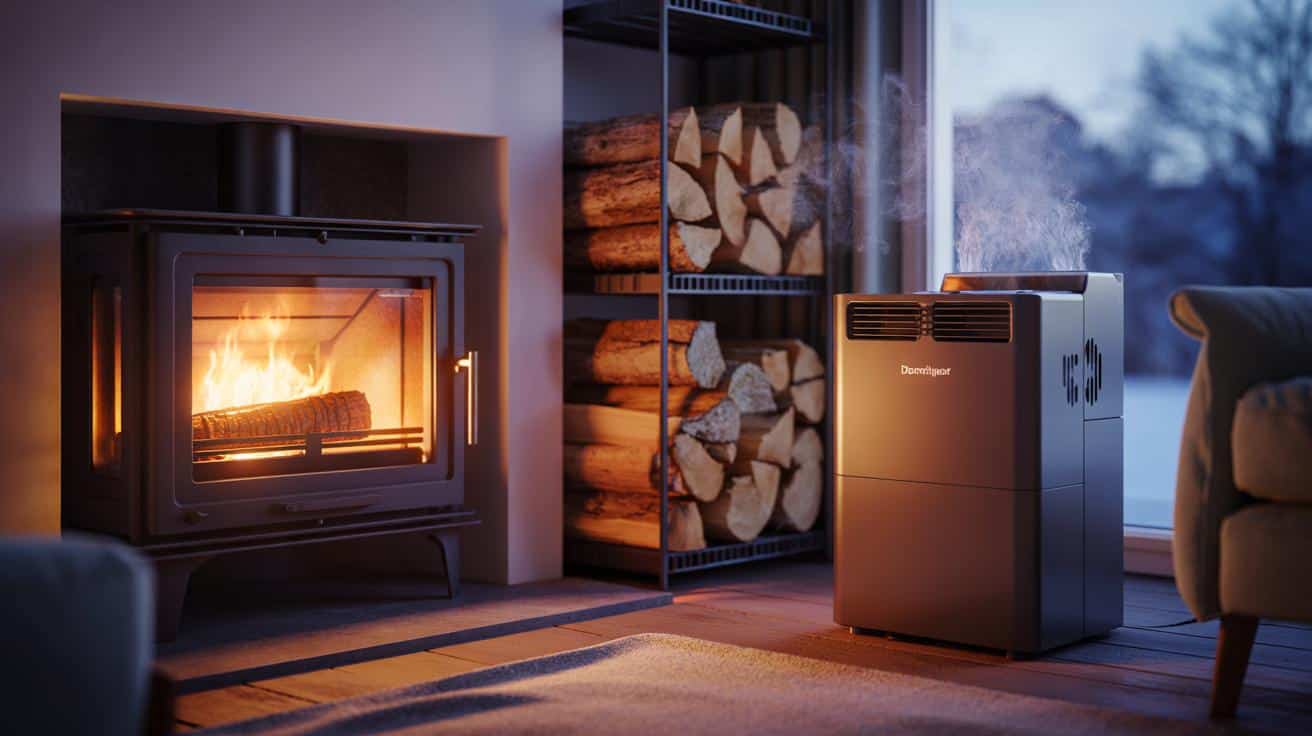
The key accessory is not a fancy stove fan or a high-tech thermostat. It’s a simple dehumidifier, positioned near your stack of logs or bags of pellets.
Firewood always contains some moisture. Even logs that are sold as “seasoned” can pick up extra damp from a garage floor, a cold wall or an unventilated shed. Pellets are even more sensitive: a small rise in humidity can cause them to crumble or swell.
Placing a dehumidifier in the room where your wood or pellets are stored encourages deeper, more even drying and a cleaner burn.
By steadily pulling excess moisture out of the air, the device also helps draw residual water out of the wood. Over a few days or weeks, that can shift your wood from “barely ready” to genuinely efficient fuel.
➡️ Lower in calories than rice or pasta, this is the lightest starch for making a mixed salad
➡️ This herbal tea touted on social media does more harm than good
➡️ Spotless shower screens: the hotel trick for streak-free glass
➡️ Workers in this field often earn more by staying in one niche
How dry should your firewood really be?
Specialists usually recommend a moisture content below about 20% for logs used in a modern wood-burning stove. Above that, a lot of the energy released goes into turning water into steam rather than heating your room.
You might notice the symptoms already: logs that hiss, glass doors that blacken quickly, a flame that looks lazy and orange rather than bright and lively. In many cases, the cause is simply damp wood.
- Below 20% moisture: efficient burn, more heat, less smoke
- 20–30% moisture: usable, but you’ll burn more wood for the same warmth
- Above 30% moisture: poor performance, higher pollution, rapid soot build-up
Choosing wood that actually saves money
Before thinking about gadgets, the first step is still choosing the right fuel. Hardwoods such as oak, ash, beech or hornbeam usually offer longer, steadier heat than softwoods like pine. They cost more per cubic metre, but they burn more slowly and can reduce how often you need to refill the stove.
| Type of wood | Main advantage | Ideal use |
|---|---|---|
| Hardwood logs | Long, steady burn, good embers | Primary heating, evening fires |
| Softwood logs | Lights quickly, cheaper | Starting the fire, short burns |
| Pellets | Consistent size, automatic feeding | Pellet stoves, regular daily heating |
Whatever you choose, the logs should be well split and visibly dry, with cracks at the ends and a lighter feel than freshly cut wood. Pellets should be firm, not crumbly, and stored in intact bags without signs of condensation.
Buying cheaper, damp firewood often means paying twice: once for the logs, and again in the form of lost heat and faster stove maintenance.
Where you store your logs and pellets matters
Even the best wood will degrade if it’s left in a corner that sweats with moisture each night. The goal is simple: keep your fuel dry, aired and off the ground.
Good storage spots inside the home
Indoors, several rooms can work well for a small to medium stock:
- Loft or attic, if it is dry and ventilated
- Utility room or pantry, away from sources of steam
- Kitchen corner, as long as the logs are not too close to the hob or sink
Wherever you stack your wood, leave a gap between the logs and the wall. Use a rack or pallets so that air can circulate beneath the pile as well.
Near the stove, a small indoor log store is handy, but avoid pushing it right up against the appliance. Most safety advice suggests keeping at least one metre between the firebox and any pile of combustible material.
Outdoor options that actually keep wood dry
Not everyone has room indoors for a winter’s worth of logs. Outside, the same rules apply: dry, ventilated, covered.
- A garden shed with a raised floor and vents
- A carport or lean-to with a solid roof
- A garage, provided it is not damp and is aired regularly
Plastic tarps can cause problems if they wrap wood completely and trap moisture. Better to cover just the top of the stack and leave the sides open, or use purpose-made log stores with slatted sides.
Using a dehumidifier to prepare your fuel properly
Once you have a suitable storage spot, the dehumidifier becomes a quiet ally. Position it in the room where the wood or pellets are kept, ideally within a few metres of the main stack.
Let the dehumidifier manage the air around the logs, not blast directly onto them, to encourage slow, even drying.
Most modern devices display the current room humidity. For firewood, many stove installers recommend aiming for a relative humidity that helps wood reach around 15–20% internal moisture. In practice, that often means keeping the room itself in the 40–55% relative humidity range.
Step-by-step setup
- Place the wood on racks or pallets, not straight on concrete.
- Position the dehumidifier near the stack, with space around it for airflow.
- Set a target humidity and run it regularly, especially after rainy spells.
- Empty the tank or connect a drain hose so it can operate for longer periods.
- Check the wood from time to time with a moisture meter if you have one.
After a few weeks in a well-managed room, many households notice that logs ignite faster, give off less smoke and leave less sticky residue on the stove glass.
Real gains: comfort, bills and maintenance
Dry wood releases more usable heat per kilogram. That means fewer trips to the log pile, and a slower shrinking of your winter stock. In practical terms, your original firewood order has a better chance of lasting until spring.
Cleaner combustion also leads to less soot in the flue and fewer deposits in the stove itself. That can lower the chance of chimney fires and reduce the need for emergency call-outs, though professional sweeping is still required at least once a year in many countries.
A dehumidifier may cost electricity to run, but the wood you save and the extra heat you gain can balance that out over a season.
Risks of burning damp wood that people often underestimate
Burning wet logs doesn’t just waste money. It has side effects that many users only spot when problems become serious.
- More smoke and particles, which can worsen local air quality
- Rapid creosote build-up inside the chimney, increasing fire risk
- Persistent condensation on stove glass and in the flue
- Unpleasant smells and a feeling of “clammy heat” rather than dry warmth
A dehumidifier, together with decent storage, helps move you away from those issues by ensuring the fuel is properly dry long before it reaches the firebox.
Practical scenarios for different types of homes
In a small flat with a single stove, the best strategy might be to keep one or two weeks of logs in a corner of the living room, with a compact dehumidifier running on a low setting nearby. The bulk of the wood can sit in a shared shed, coming inside a little ahead of use.
In a detached house with a garage, many families choose to turn part of the garage into a mini “drying room”. Racks of logs along one wall, a dehumidifier in the middle, and good air gaps all around. As the heating season progresses, that room functions like a final staging area, taking the edge off any remaining moisture before the logs reach the stove.
Key terms and tools worth knowing
Two cheap tools can transform how you manage a wood-burning stove: a hygrometer and a moisture meter.
A hygrometer simply shows the humidity of the room. It tells you if your dehumidifier is doing anything, and helps you decide whether the garage or the pantry is the better place to keep your fuel.
A moisture meter is used on the wood itself. You split a log, press the probes into the freshly exposed surface, and read the percentage. If the numbers stubbornly sit above 25–30%, that’s a signal to improve storage, increase air circulation, or allow more time for drying with the dehumidifier at work.
Treating wood fuel like an investment rather than a pile of waste timber often pays back in both comfort and lower winter spending.