You’re standing in your kitchen, coffee in hand, the morning light hitting your fridge at exactly the wrong angle. Suddenly you see them: fingerprints, dull smudges, greasy half-moons, and that weird cloudy trail from yesterday’s “quick wipe.” You rub at a spot with your sleeve. It spreads. Now it looks worse, and you swear your stainless steel is personally mocking you.
So you grab a random spray, swipe a paper towel over everything, and step back. Still streaky, somehow patchy, almost like someone tried to polish a mirror with butter.
That’s the moment you quietly google “how to clean stainless steel without streaks” and realize you’re not the only one losing this fight.
The good news is, your stainless isn’t ruined. It’s just misunderstood.
The hidden reason your stainless steel never looks fully clean
Stainless steel looks tough, almost indestructible, but it’s secretly delicate. Not fragile, exactly, just… particular. Each appliance door or panel has a grain, tiny brushed lines in the metal that you barely notice when it’s new. Once oils, soap residue, and random sprays build up, those lines catch everything and reflect it back at you like high-definition grime.
So when you wipe in frantic circles, you’re mostly pushing the grease into those lines. Under normal light you think you’ve won. Then the sun shifts or the overhead spots kick in and every streak shows up like a crime scene under a UV lamp.
Think about the last time you hosted dinner and did a speed-clean an hour before people arrived. You wiped the counters, threw stuff in the oven, and gave the fridge door a rushed once-over with whatever cloth was closest. When your guests came in, someone leaned on the fridge, left a big handprint, then dragged it down the door as they turned.
Later that night, when everyone was gone and the house finally went quiet, you noticed it. A smeared handprint blended into the haze from your earlier cleaning. Not dirty enough to scrub at 1 a.m., but just visible enough to annoy you every single time you opened the door for the next week. That’s how stainless slowly stops looking “premium” and starts looking “rented flat in a hurry.”
What’s really going on is less about dirt and more about texture and product build-up. Many multi-surface sprays leave microscopic films behind. On matte paint, no one notices. On stainless, that film catches every bit of oil from cooking, steam, fingerprints and even the minerals in your tap water. You’re not just cleaning; you’re layering.
The streaks you see aren’t always fresh grime. They’re old product, unevenly spread and then polished in the wrong direction. *Once you get that, the solution suddenly stops feeling mysterious.*
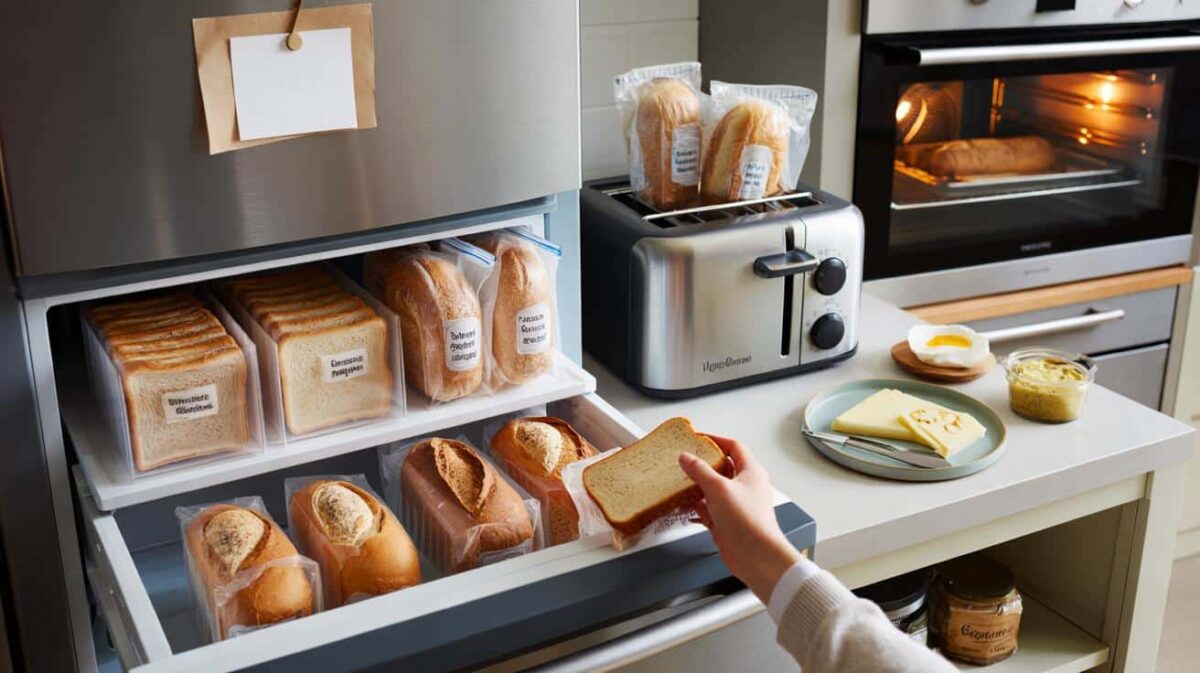
➡️ All people who have bread in the freezer are invited to read this information
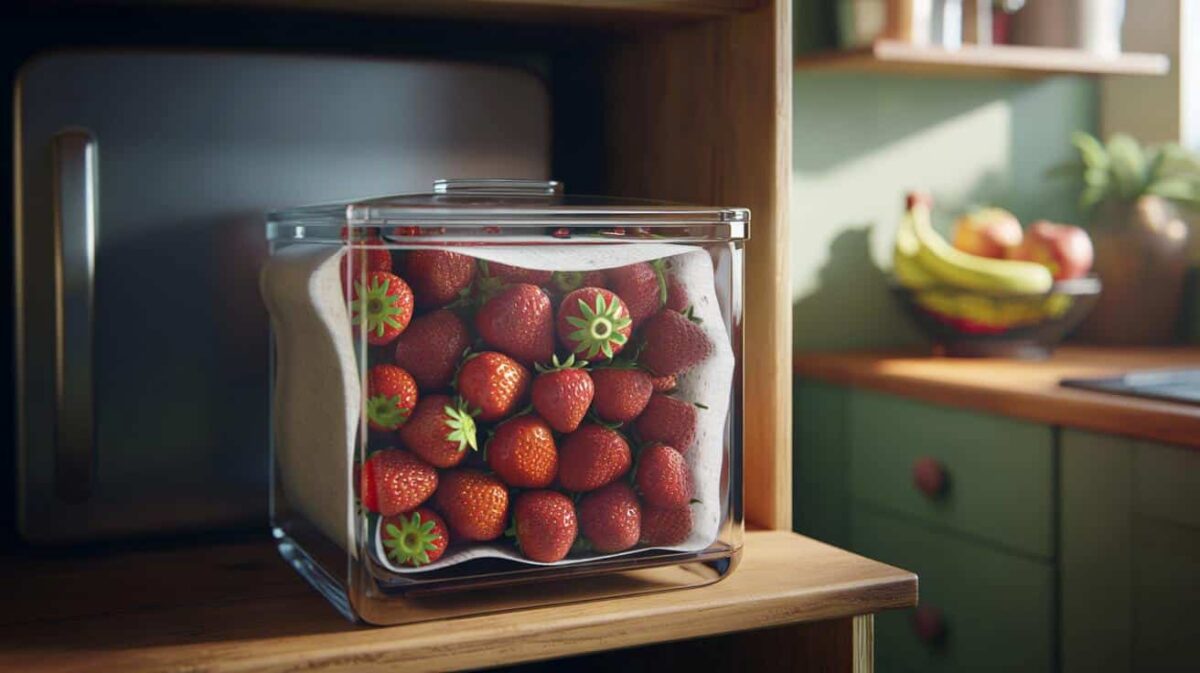
➡️ Not in the fridge or fruit bowl: the best place to keep strawberries so they don’t go mouldy
➡️ This chicken and rice casserole cooks evenly without becoming dry
➡️ Jura: “It endangers protected fish in our rivers”: the great cormorant in anglers’ sights
➡️ Psychology reveals why certain people feel uncomfortable when things finally slow down
➡️ Black Friday: this electric mountain bike built for rough trails drops €500 at Decathlon
The right way to clean stainless steel without adding new streaks
Start by doing the opposite of what most of us do: slow down for thirty seconds. Look closely and find the grain on your fridge or dishwasher. Those fine lines run either vertically or horizontally. That direction is now your rule. From now on, every wipe follows it.
For a basic clean, use a soft microfiber cloth and a tiny amount of mild dish soap diluted in warm water. Lightly dampen the cloth, don’t soak it. Wipe along the grain, top to bottom or side to side. Then grab a second, dry microfiber cloth and buff, again in the direction of the grain, until the surface looks evenly matte. Only then think about shine.
A lot of people jump straight to the “magic trick” stage: olive oil, fancy stainless sprays, glass cleaner, that one hack from TikTok. You can use some of those, but not as step one. If there’s any old grease, steam residue or food splatter still on the surface, you’ll just be polishing the dirt and locking it in.
Picture your oven door after a Sunday roast. You wipe off the obvious splashes with a sponge, then spray a stainless polish right away. It looks good… for about ten minutes. The next day, you notice a cloudy patch where the fat was sitting, almost like it floated back up through the shine. That’s not your imagination. The base clean wasn’t done, it was just disguised.
The plain truth: **most streaks happen because people mix too many products and use too much of them.**
If you want that showroom look, think “less product, more passes,” says an appliance technician I spoke with, who sees ruined stainless doors on expensive fridges every single week. “People scrub like they’re cleaning a grill and then wonder why the finish turns patchy. Gentle and consistent always wins.”
- Use two cloths: one slightly damp with soapy water, one fully dry for buffing.
- Always wipe and buff along the grain, never in circles.
- Skip abrasive sponges, powders, and scouring pads, even on “tough” spots.
- For shine, add a tiny drop of mineral oil or a dedicated stainless spray right at the end.
- Test any new product on a low, hidden corner before touching the middle of the door.
Living with stainless steel without losing your mind
Once you nail the technique, something shifts: stainless stops feeling like a diva and starts behaving like any other surface, just with higher resolution. You accept that it will never stay perfect for more than a few hours, and that’s fine, because now clean-up is a five-minute ritual, not a 45-minute battle.
Let’s be honest: nobody really does this every single day. You’ll have weeks where you barely notice the smudges, and then suddenly one afternoon the low sun hits and you decide, “Right, today’s the day this fridge shines again.” With the right method, that decision isn’t exhausting anymore. It’s almost satisfying.
| Key point | Detail | Value for the reader |
|---|---|---|
| Work with the grain | Always wipe and buff in the same direction as the brushed lines | Reduces visible streaks and preserves the original finish |
| Less product, better cloth | Use diluted dish soap and microfiber instead of harsh sprays | Prevents build-up, cloudiness, and long-term damage |
| Two-step routine | First clean, then lightly polish only if needed | Gives a lasting, even shine without sticky residue |
FAQ:
- Question 1Can I use vinegar on stainless steel?
- Answer 1Yes, lightly diluted white vinegar can cut grease and remove fingerprints, but use it sparingly on a microfiber cloth and always wipe along the grain, then follow with a dry cloth to avoid water spots.
- Question 2Why does my stainless steel look cloudy after cleaning?
- Answer 2Cloudiness usually comes from product build-up or using too much cleaner; switch to a small amount of mild dish soap, rinse well with a damp cloth, and buff dry until the haze disappears.
- Question 3Are baby wipes safe for stainless appliances?
- Answer 3They work in a pinch but often leave softeners and residues that attract new fingerprints, so follow up with a clean, damp microfiber and a dry buff if you use them.
- Question 4Can I use olive oil to polish my fridge door?
- Answer 4Olive oil can add shine, yet it can also stay tacky and turn rancid over time; a neutral mineral oil or a dedicated stainless polish is usually a cleaner, longer-lasting choice.
- Question 5How often should I deep-clean stainless steel surfaces?
- Answer 5Most busy households do a proper clean every one to two weeks, with quick wipes on handles and high-touch areas whenever fingerprints start to bother them.